Call: 07971670490
 Send Inquiry
 Send Inquiry
Corian vs Quartz
Price 400.0 INR/ Square Foot
MOQ : 100 Square Foots
Corian vs Quartz Specification
- Diameter
- N/A (Slab based)
- Usage
- Kitchen countertops, Vanities, Wall cladding
- Color
- Wide range, Customizable
- Features
- Seamless joins (Corian), Natural stone look (Quartz)
- Machines Type
- Cutting & Fabrication Tools
- Load Capacity
- High (Quartz higher than Corian) Kilograms (kg)
- Application
- Residential, Commercial
- Thickness
- 12mm, 20mm, 30mm (Quartz); 6mm, 12mm, 19mm (Corian) Micrometers (um)
- Installation Type
- Seamless (Corian), Seamed (Quartz)
- Form
- Slab, Sheet
- Material Grade
- Premium, Standard
- Purity
- Acrylic/Resin Composite
- Product Type
- Corian, Quartz
- Main Material
- Acrylic Polymer (Corian), Natural Quartz & Resin (Quartz)
- Surface Treatment
- Smooth, Polished, Matt
- Size
- Custom/Variable
- Weight
- Lighter (Corian), Heavier (Quartz) Kilograms (kg)
- Feature
- Non-porous, Durable, Stain-resistant
- Shape
- Custom shapes available
- Repairability
- Easily repairable (Corian), Difficult to repair chips (Quartz)
- Scratch Resistance
- Moderate (Corian), Higher (Quartz)
- Hygienic Certification
- NSF/ANSI 51 Certified (many brands)
- Chemical Resistance
- Good (both)
- UV Resistance
- Good (Corian), Moderate (Quartz)
- Heat Resistance
- Up to 100C (Corian), Up to 204C (Quartz)
- Water Absorption
- Less than 0.01% (both)
Corian vs Quartz Trade Information
- Minimum Order Quantity
- 100 Square Foots
- Delivery Time
- 5-10 Days
About Corian vs Quartz
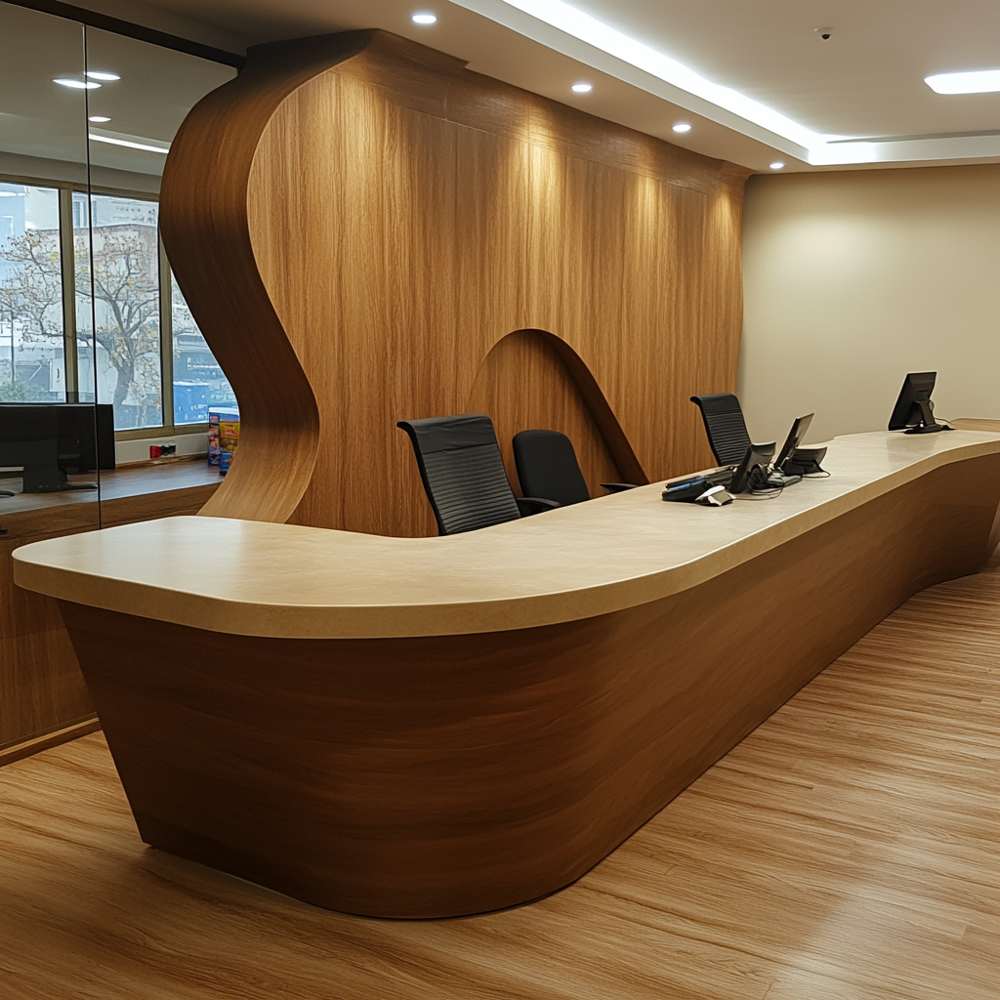
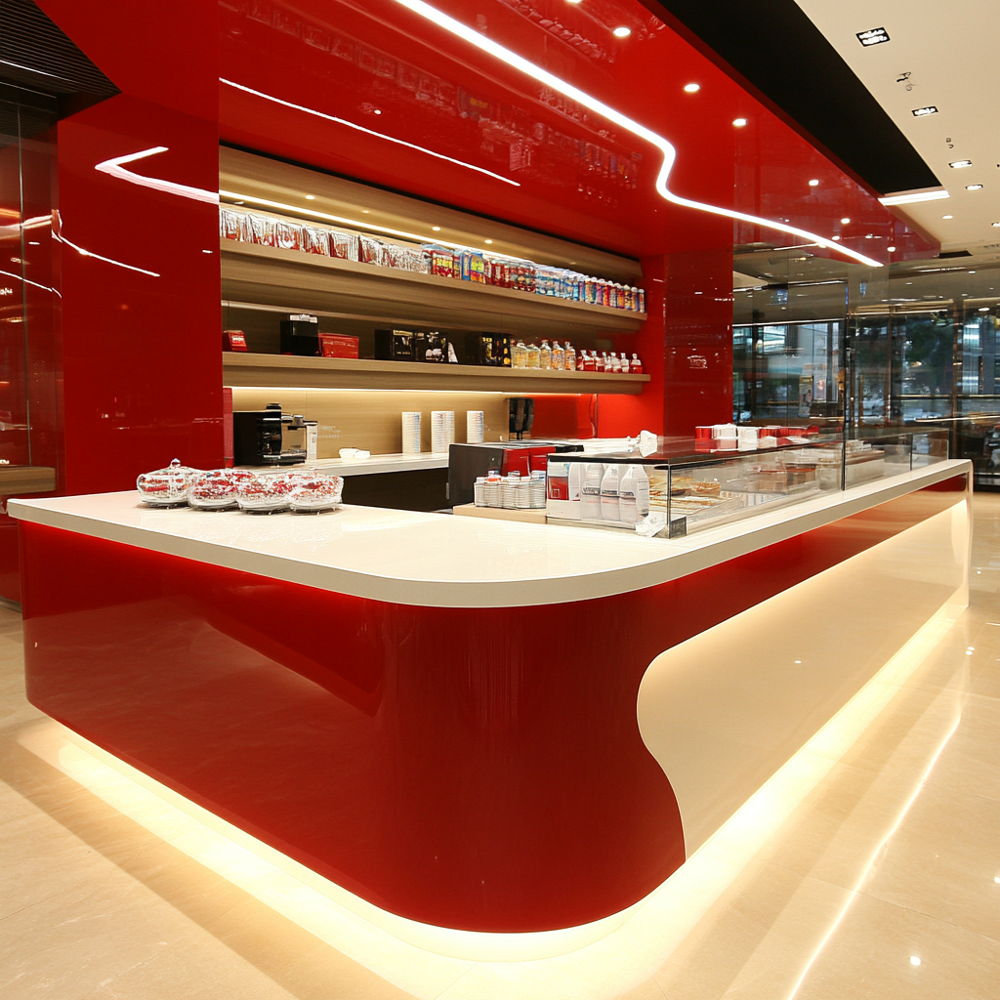
Evo Surfaces offers premium acrylic solid surface sheets designed as a high-quality alternative to Corian for modern interior and commercial applications. Manufactured for durability, seamless jointing, and excellent thermoforming performance, Evo Surfaces sheets are ideal for kitchen countertops, reception desks, hospital surfaces, retail interiors, and custom furniture.
Our solid surface material delivers a non-porous, hygienic finish with easy maintenance, consistent colour, and long-term performance. Available in multiple thicknesses and contemporary shades, Evo Surfaces provides architects, fabricators, and interior designers with a reliable solution comparable to Corian-type surfaceswithout claiming brand affiliation.
Choose Evo Surfaces for smooth curves, invisible joints, repairability, and dependable supply across India, making it a trusted option for projects seeking Corian-like quality and finish.
Comparing Corian and Quartz Surfaces
Corian and quartz are standout choices for modern interiors due to their durability, design flexibility, and ease of maintenance. While Corian is lighter and enables seamless installation, making repairs simple, quartz offers superior scratch and heat resistance, giving it an edge in high-traffic kitchens. Both surfaces meet strict hygiene standards and boast low water absorption, catering to both practical and aesthetic needs for homes and businesses alike.
Tailored Designs and Versatile Applications
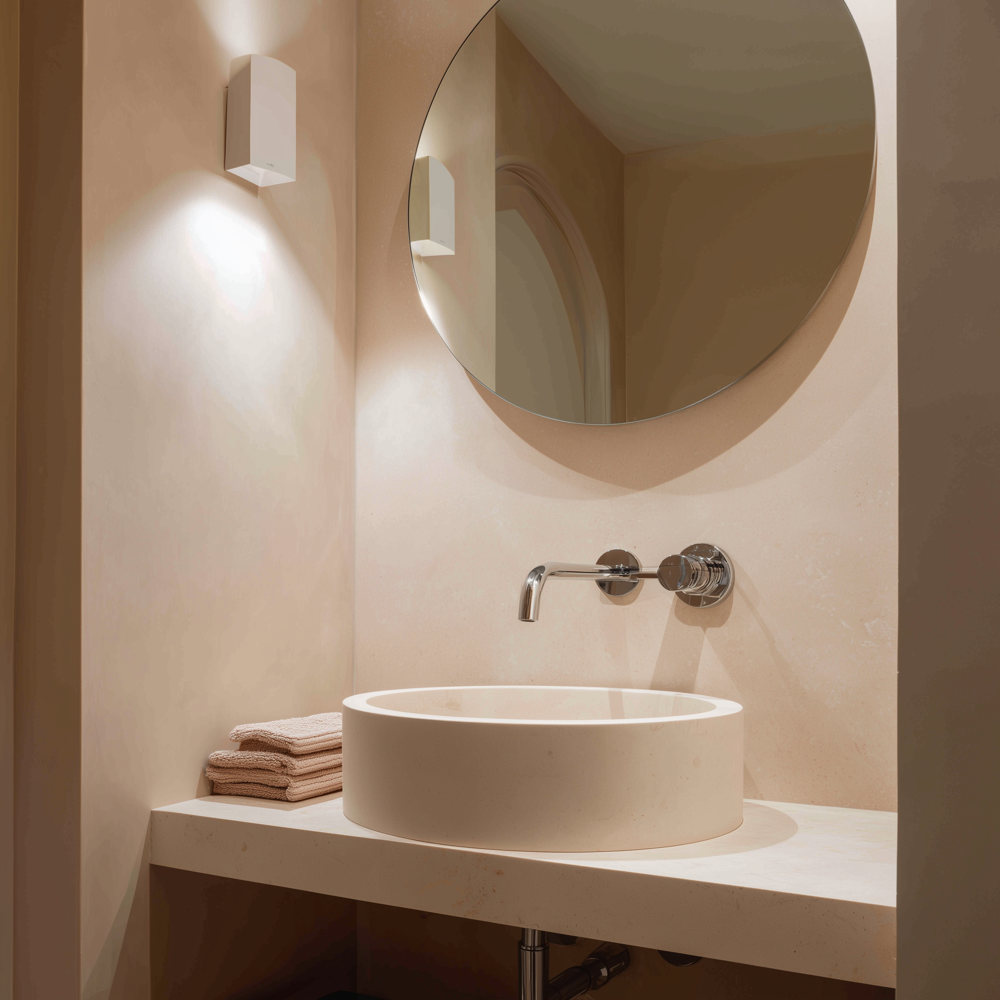
Both Corian and quartz surfaces are available in a broad range of colors, shapes, and thicknesses, suitable for various applications such as countertops, vanities, and wall cladding. They can be cut and fabricated to order, ensuring a custom fit for any project. Their non-porous nature means easy cleaning, enhanced hygiene, and outstanding stain resistance, making them ideal for both residential and commercial installations.
FAQ's of Corian vs quartz:
Q: How does Corian compare with quartz in terms of UV resistance?
A: Corian displays good UV resistance, making it suitable for areas exposed to sunlight, while quartz has moderate UV resistance and may discolor over time if constantly exposed to direct sunlight.Q: What is the repair process for Corian versus quartz surfaces?
A: Corian is easily repairable; scratches and minor damages can often be buffed or filled on-site. In contrast, quartz is more difficult to repair if chipped or cracked, often requiring professional intervention and sometimes full replacement of the affected piece.Q: When should I choose Corian over quartz for my countertops?
A: Choose Corian if you prioritize seamless installation, lightweight material, easy repair, and custom shaping-especially important in spaces needing unique edge profiles or integrated sinks. Quartz is better suited for areas where higher heat and scratch resistance are needed.Q: Where can Corian and quartz be installed?
A: Both materials are suitable for kitchen countertops, vanities, and wall cladding in residential and commercial spaces. Thanks to their non-porous construction, they're ideal for moisture-prone areas such as kitchens and bathrooms.Q: What benefits do Corian and quartz surfaces offer regarding hygiene and stain resistance?
A: Both surfaces are non-porous and stain-resistant, allowing for easy cleaning and maintenance. Many brands are NSF/ANSI 51 certified, ensuring hygienic use in both home and food service environments.Q: How are Corian and quartz surfaces fabricated and installed?
A: Surfaces are supplied as slabs or sheets and require specialized cutting and fabrication tools to achieve custom shapes or thicknesses. Corian is installed with seamless joins for a uniform look, whereas quartz typically features visible seams.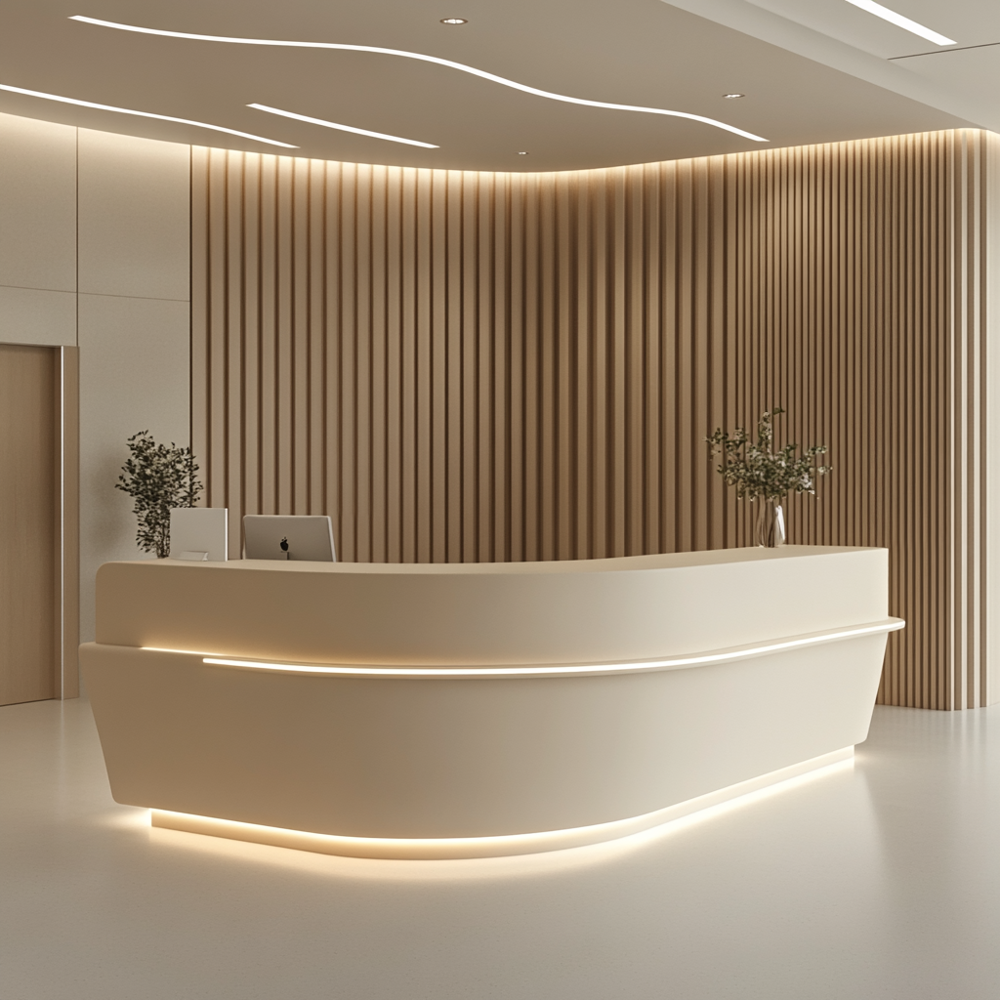
Tell us about your requirement

Price:
Quantity
Select Unit
- 50
- 100
- 200
- 250
- 500
- 1000+
Additional detail
Mobile number
Email

More Products in Acrylic Solid Surface Sheet Category
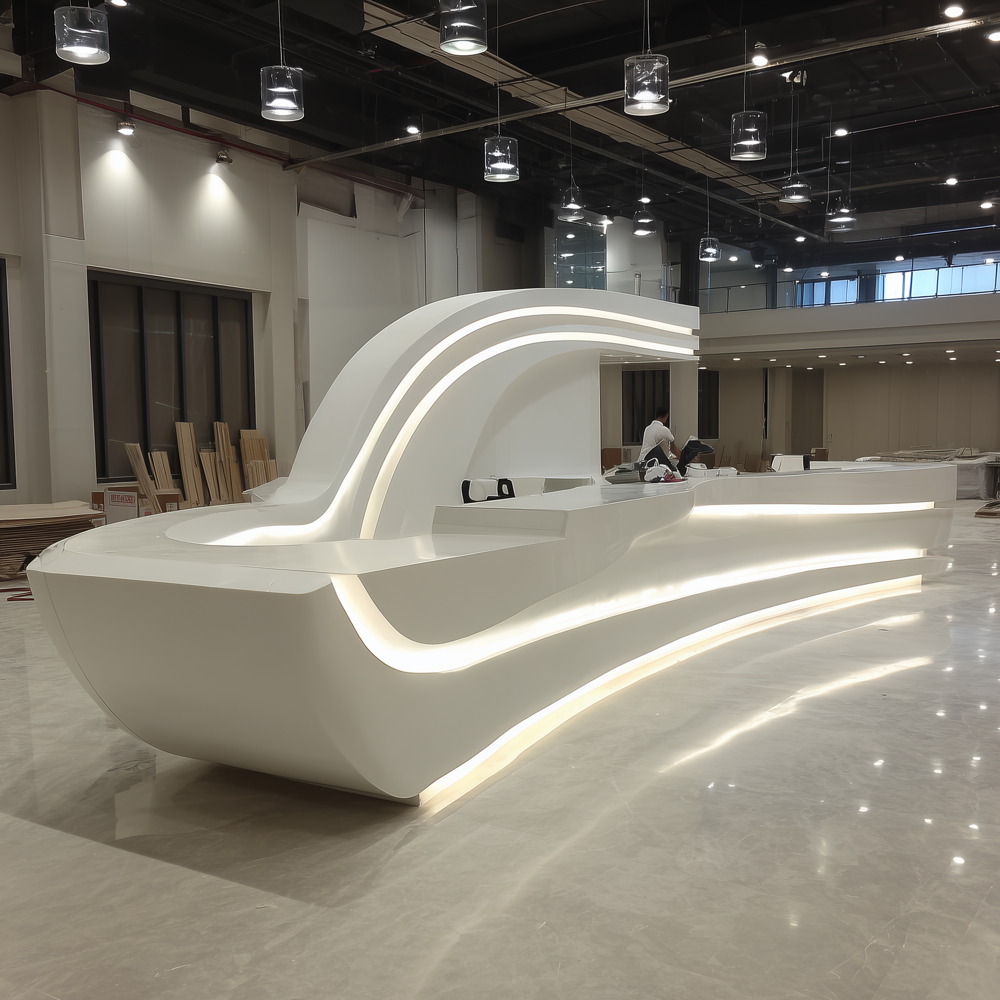
Corian alternative material
Price 400.0 INR / Square Foot
Minimum Order Quantity : 100 Square Foots
Thickness : 6 mm, 12 mm, 18 mm
Size : 8 ft x 2.5 ft (2440 mm x 760 mm)
Usage : Interior surface applications
Color : Available in white, offwhite, beige, custom colors
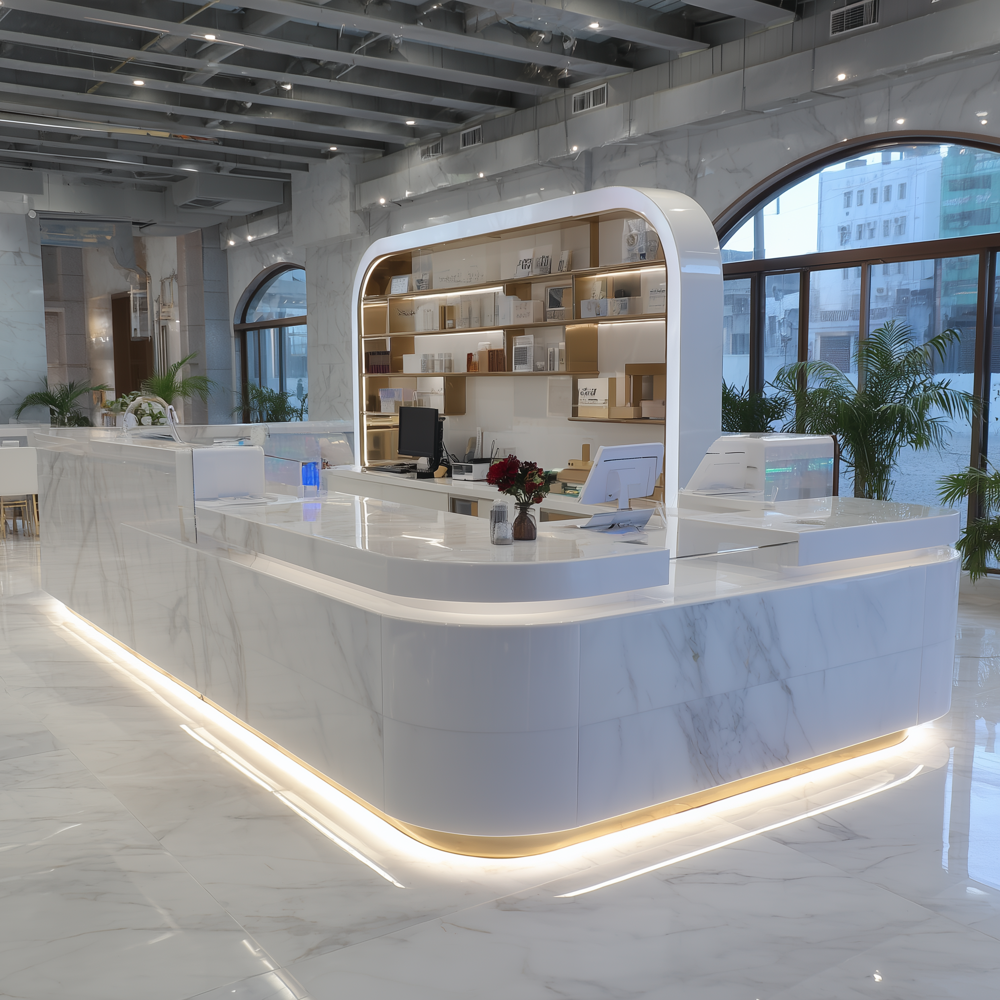
Corian Sheet Distributor
Price 400.0 INR / Square Foot
Minimum Order Quantity : 100 Square Foots
Thickness : 6 mm, 12 mm, 18 mm Micrometers (um)
Size : 8x4 feet
Usage : Indoor and Exterior Use
Color : Multiple/Custom Colors Available
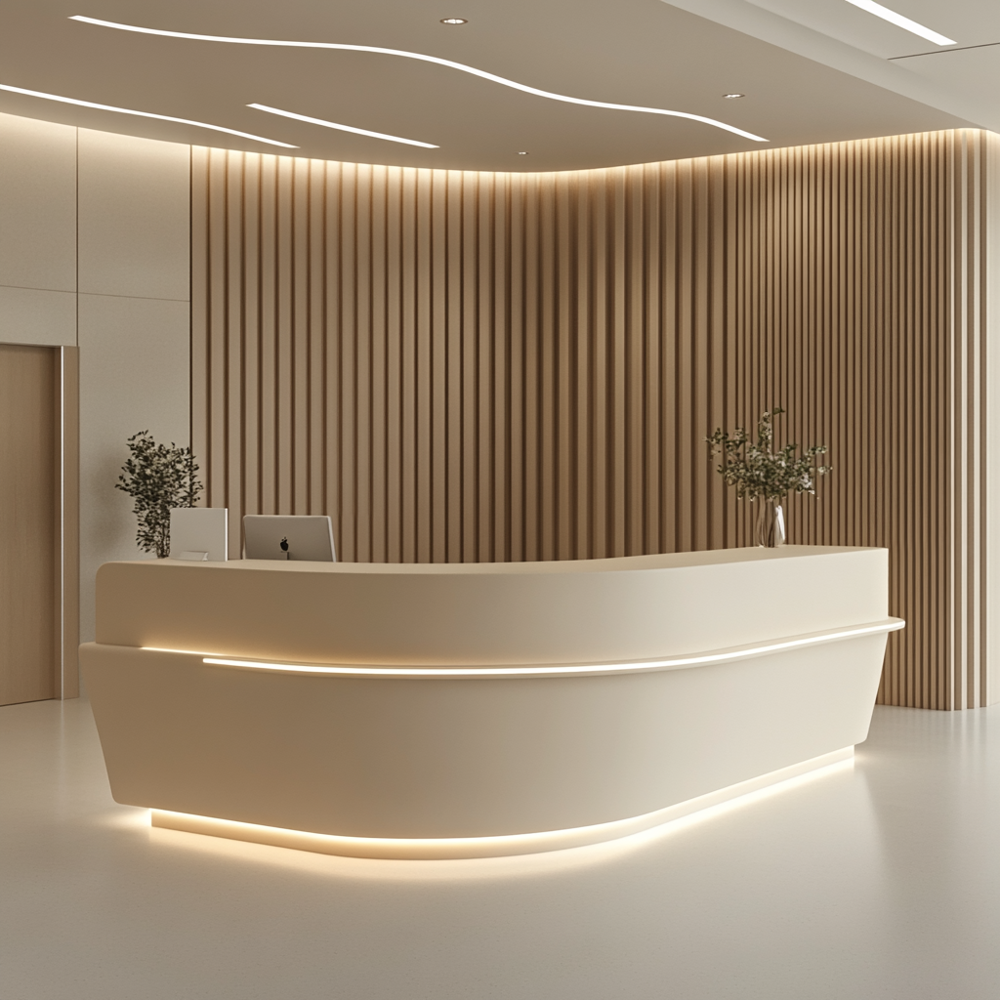
Corian Dealer in Jaipur
Price 400.0 INR / Square Foot
Minimum Order Quantity : 100 Square Foots
Thickness : 6mm, 12mm, 18mm Micrometers (um)
Size : 8 x 2.5 feet
Usage : Commercial & Residential
Color : Multiple Colors Available
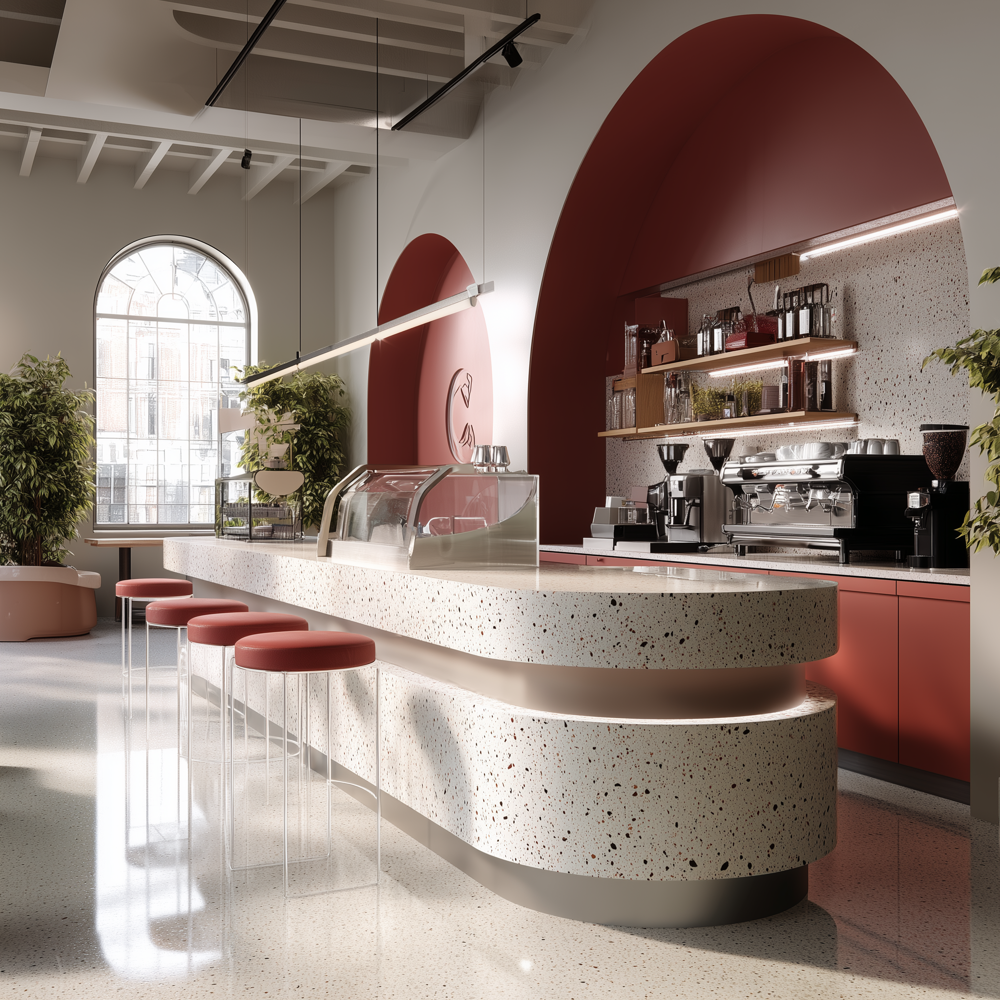
Corian vs Granite
Price 400.0 INR / Square Foot
Minimum Order Quantity : 100 Square Foots
Thickness : 6mm 19mm | 20mm (3/4) 30mm (1 1/4) Micrometers (um)
Size : Customizable Sheets/Panels | Customizable Slabs
Usage : Residential & Commercial | Residential & Commercial
Color : Wide Range of Solid and Patterned Colors | Limited Natural Colors and Patterns

Contact Details
Evo Surfaces
GST : 27ALPPJ8520Q1ZA
- Plot No. A-17, Ground Floor, Khairne MIDC Industrial Area, Opp. Marshall Wall Coverings,Navi Mumbai - 400709, Maharashtra, India
- Phone :07971670490
 Send Inquiry
Developed and Managed by Infocom Network Private Limited.
