Call: 07971670490
 Send Inquiry
 Send Inquiry
Corian vs Granite
Price 400.0 INR/ Square Foot
MOQ : 100 Square Foots
Corian vs Granite Specification
- Material Grade
- Premium Solid Surface | Premium Natural Stone
- Form
- Sheets & Panels | Slabs
- Installation Type
- Professional Fabrication & Installation | Professional Installation required
- Usage
- Residential & Commercial | Residential & Commercial
- Application
- Kitchen, Bathroom, Commercial Spaces | Kitchen, Bathroom, Outdoors
- Color
- Wide Range of Solid and Patterned Colors | Limited Natural Colors and Patterns
- Purity
- High Purity Acrylic Polymer | Natural Purity Varies
- Machines Type
- Sheet/Fabrication | Slab/Fabrication
- Features
- Seamless, Hygienic, Easy to Clean | Durable, Natural Beauty, Heat-resistant
- Thickness
- 6mm - 19mm | 20mm (3/4) - 30mm (1 1/4) Micrometers (um)
- Product Type
- Corian | Granite
- Main Material
- Acrylic Polymer | Natural Stone
- Surface Treatment
- Matte/Satin/Gloss | Polished/Honed
- Size
- Customizable Sheets/Panels | Customizable Slabs
- Feature
- Non-porous, Seamless Joints, Repairable | Natural Look, Heat Resistant, Stain Resistant
- Shape
- Custom Shapes Possible | Standard and Custom Shapes
- Repairability
- Repairable and Renewable, Limited Repairs for Granite
- Cost
- Typically higher for Corian, Varies by Granite variety
- Edge Profiles
- Variety Available (Both)
- Environmental Impact
- Manufactured, May be more eco-friendly (Corian); Quarried Natural Stone, High Environmental Impact (Granite)
- UV Stability
- Good Indoor Stability for Corian, Excellent for Granite (Outdoor Use)
- Flame Resistance
- Moderately resistant (Corian), Highly resistant (Granite)
- Bacteria Resistance
- Highly Resistant for Corian, Moderately Resistant for Granite
- Water Absorption
- Zero for Corian, Low for Granite
- Scratch Resistance
- Moderate for Corian, High for Granite
- Maintenance
- Low (Corian), Periodic Sealing Required (Granite)
- Seam Appearance
- Invisible/Seamless (Corian), Visible (Granite)
- Heat Resistance
- Less than Granite (Corian), Excellent Heat Resistance (Granite)
Corian vs Granite Trade Information
- Minimum Order Quantity
- 100 Square Foots
- Delivery Time
- 5-10 Days
About Corian vs Granite
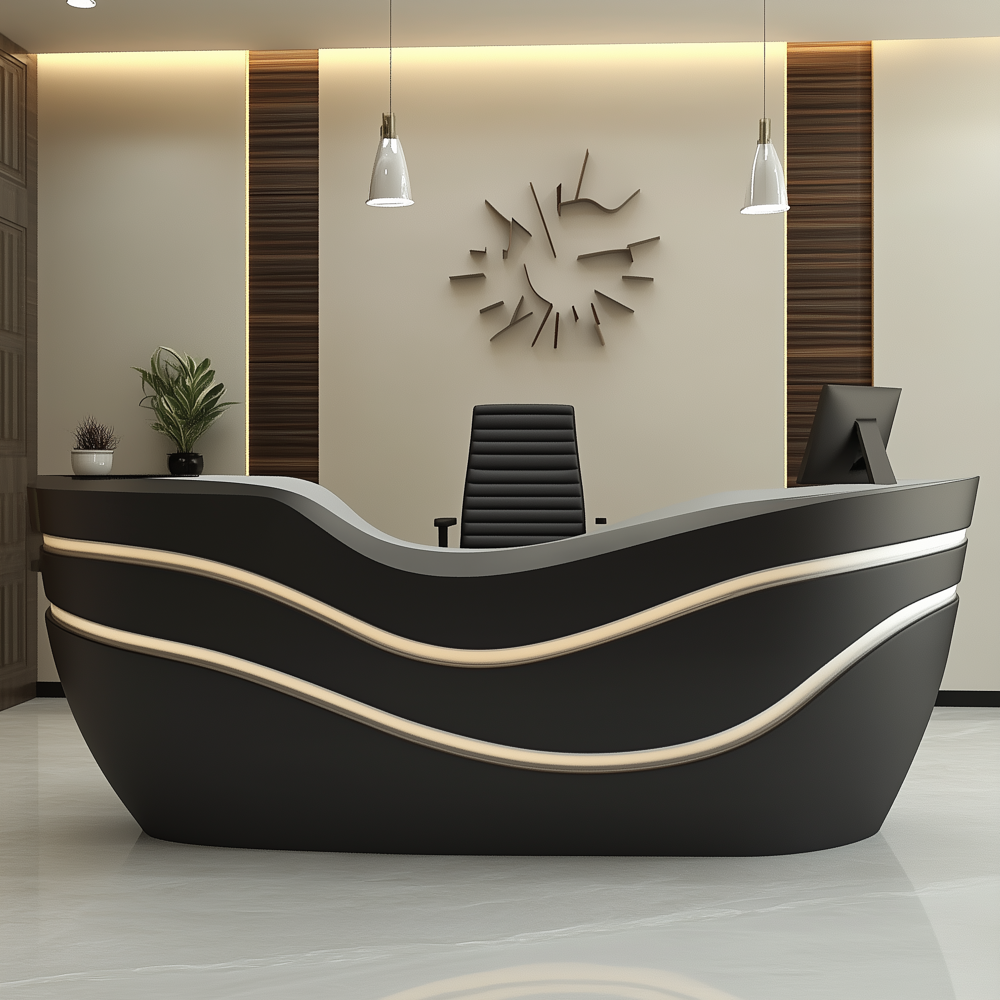
Evo Surfaces offers premium acrylic solid surface sheets designed as a high-quality alternative to Corian for modern interior and commercial applications. Manufactured for durability, seamless jointing, and excellent thermoforming performance, Evo Surfaces sheets are ideal for kitchen countertops, reception desks, hospital surfaces, retail interiors, and custom furniture.
Our solid surface material delivers a non-porous, hygienic finish with easy maintenance, consistent colour, and long-term performance. Available in multiple thicknesses and contemporary shades, Evo Surfaces provides architects, fabricators, and interior designers with a reliable solution comparable to Corian-type surfaceswithout claiming brand affiliation.
Choose Evo Surfaces for smooth curves, invisible joints, repairability, and dependable supply across India, making it a trusted option for projects seeking Corian-like quality and finish.
Benefits of Corian Countertops
Corian countertops are renowned for their seamless joints, non-porous structure, and hygienic qualities. The material is easy to clean, highly resistant to bacteria, and can be renewed if scratched or damaged. Its versatility in colors, shapes, and thickness makes it an excellent choice for custom residential and commercial installations. Corian's low maintenance needs and lighter weight simplify both usage and installation.
Advantages of Granite Surfaces
Granite's natural strength offers outstanding scratch and heat resistance, making it suitable for heavy-duty kitchen and outdoor applications. While its seams are visible, each slab brings a unique, natural appearance. Granite is highly flame-resistant and exceptionally durable. Although its maintenance includes periodic sealing, granite's longevity and natural charm make it a sought-after choice for premium spaces.
FAQ's of Corian vs granite:
Q: How does water absorption compare between Corian and granite for kitchen countertops?
A: Corian absorbs zero water due to its non-porous surface, ensuring no liquid seeps in. In contrast, granite has low water absorption, but it's still porous and requires periodic sealing to prevent moisture ingress.Q: What makes Corian more bacteria-resistant than granite?
A: Corian's non-porous, seamless joints prevent the harboring of bacteria and mold, offering superior hygiene. Granite is moderately bacteria-resistant but can allow microbial growth in its natural pores and visible seams unless sealed regularly.Q: When should I consider repairing Corian or granite countertops?
A: Scratches or minor damage to Corian countertops can often be repaired and restored to like-new condition due to its renewable surface. Granite, on the other hand, has limited repair options and may need professional stone restoration for significant cracks or chips.Q: What is the process for maintaining Corian vs. granite countertops?
A: Corian requires simple cleaning with mild soap and does not need sealing, making upkeep easy. Granite countertops, however, demand periodic sealing treatments to preserve their resistance to stains and water infiltration.Q: Where are Corian and granite most effectively used?
A: Both materials are popular in kitchens, bathrooms, and commercial spaces. Corian excels in areas needing seamless, hygienic surfaces and custom shapes, while granite is ideal for high-traffic kitchens, outdoor installations, and where a natural stone look is desired.Q: How do Corian and granite differ in terms of edge profiles and customization?
A: Both Corian and granite offer a variety of edge profile options and can be fabricated into standard or custom shapes. Corian's versatility in creating seamless joints and custom forms gives it an edge for unique projects.Q: What environmental benefits or considerations are there for Corian and granite?
A: Corian is a manufactured solid surface and may be considered more eco-friendly for projects seeking responsible sourcing. Granite is a quarried natural stone with a higher environmental impact due to mining, transport, and resource use.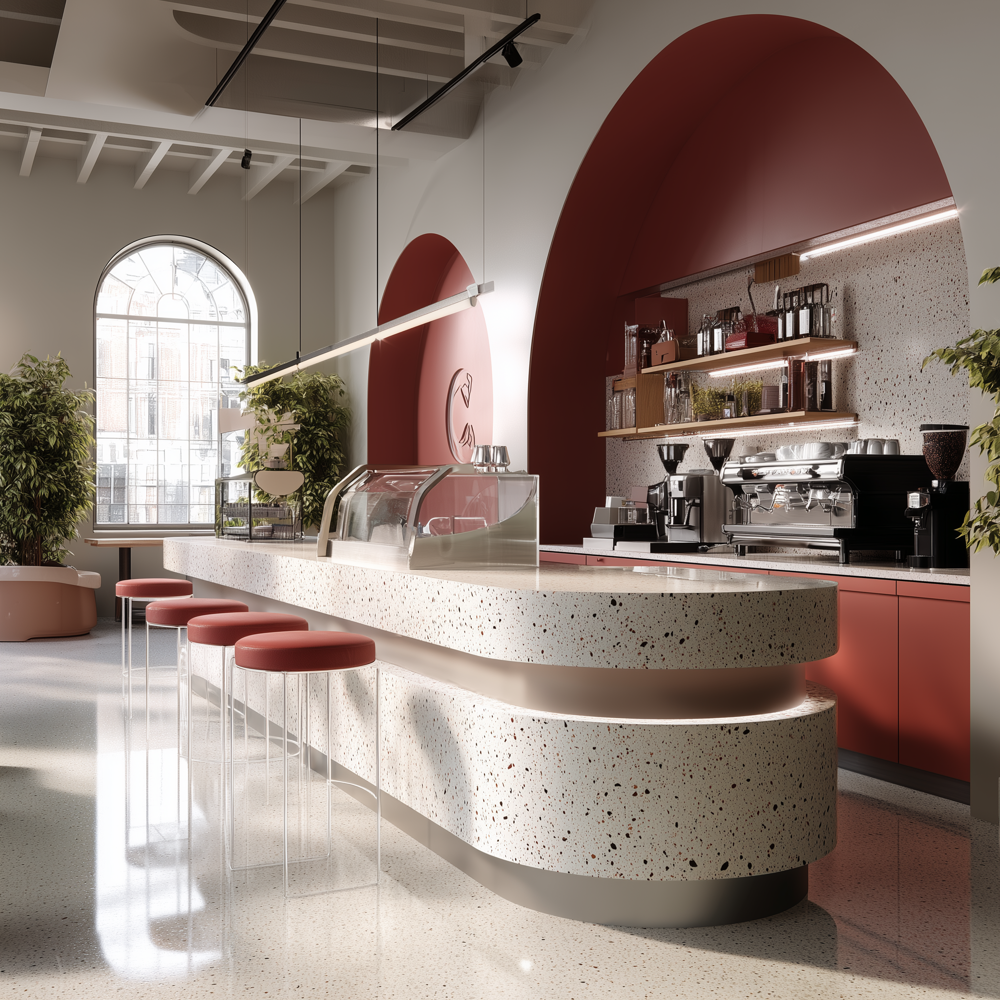
Tell us about your requirement

Price:
Quantity
Select Unit
- 50
- 100
- 200
- 250
- 500
- 1000+
Additional detail
Mobile number
Email

More Products in Acrylic Solid Surface Sheet Category
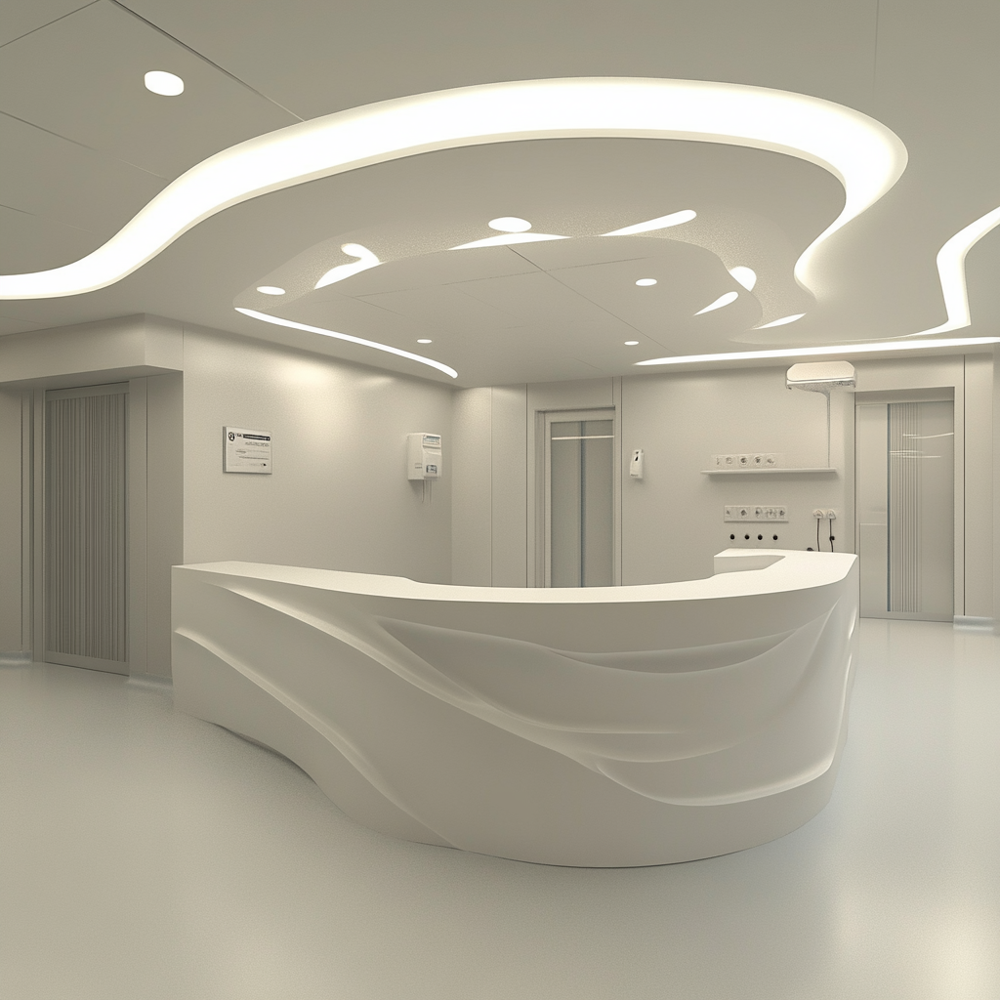
Corian Sheets for Hospital
Price 400.0 INR / Square Foot
Minimum Order Quantity : 100 Square Foots
Application : Wall Cladding, Countertops, Laboratory Tables
Product Type : Corian Sheets
Color : White
Purity : 99% Pure Acrylic
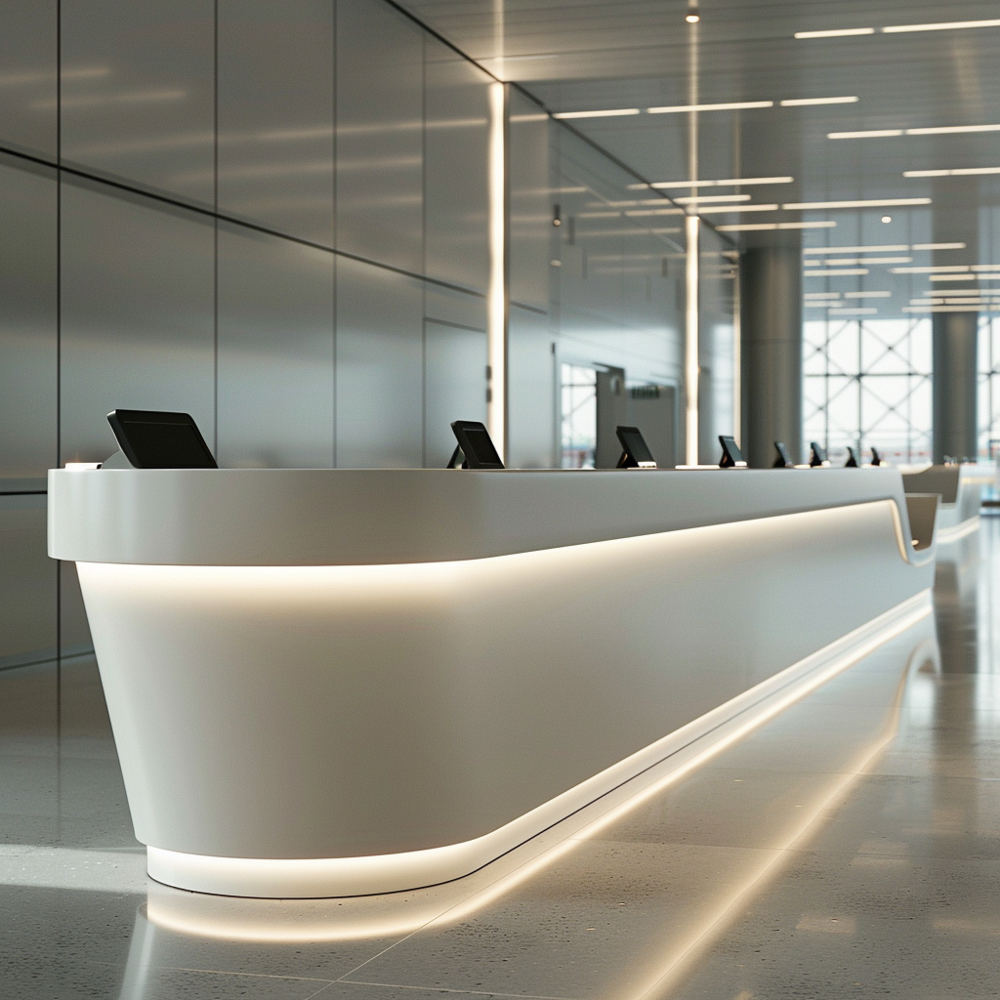
Corian Marble Countertop
Price 400.0 INR / Square Foot
Minimum Order Quantity : 88 Square Foots
Application : Countertops, Vanity Tops, Table Tops
Product Type : corian sheet
Color : Marble White with Grey Veins
Purity : High Solid Surface Purity (>98%)
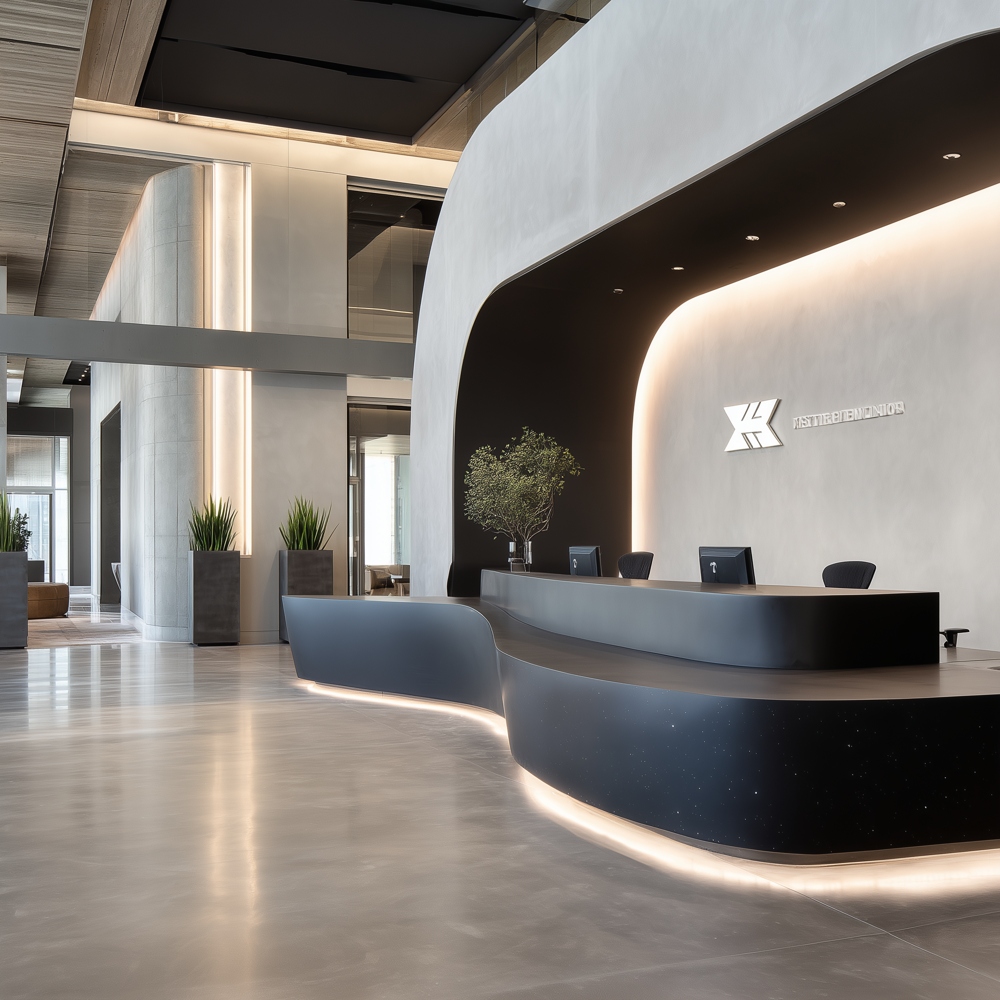
Corian Dealer
Price 400.0 INR / Square Foot
Minimum Order Quantity : 100 Square Foots
Application : Residential and Commercial Spaces
Product Type : Corian Sheet
Color : White, Custom Colors Available
Purity : 99% Pure Acrylic
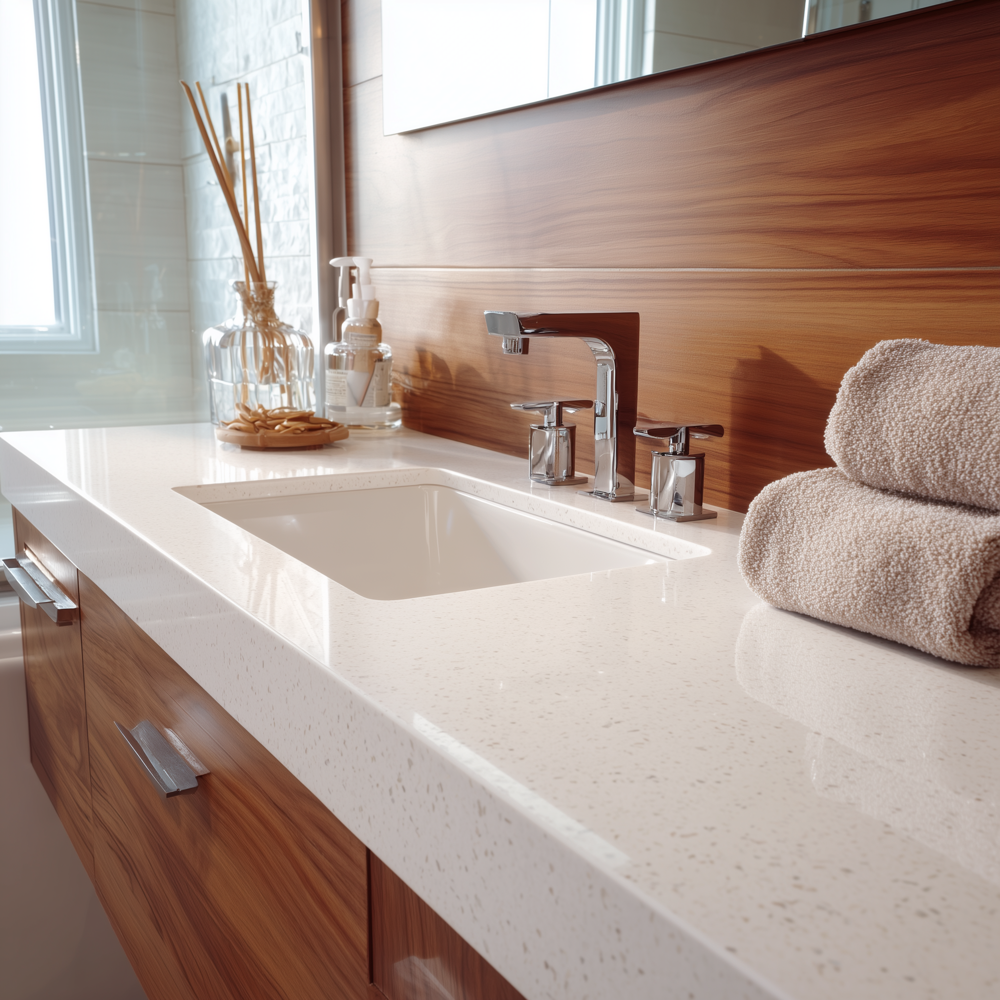
Corian Distributor in Delhi
Price 400.0 INR
Minimum Order Quantity : 100 Units
Application : Residential, Commercial Interiors
Product Type : Corian Solid Surface
Color : Multiple Shades Available
Purity : High

Contact Details
Evo Surfaces
GST : 27ALPPJ8520Q1ZA
- Plot No. A-17, Ground Floor, Khairne MIDC Industrial Area, Opp. Marshall Wall Coverings,Navi Mumbai - 400709, Maharashtra, India
- Phone :07971670490
 Send Inquiry
Developed and Managed by Infocom Network Private Limited.
